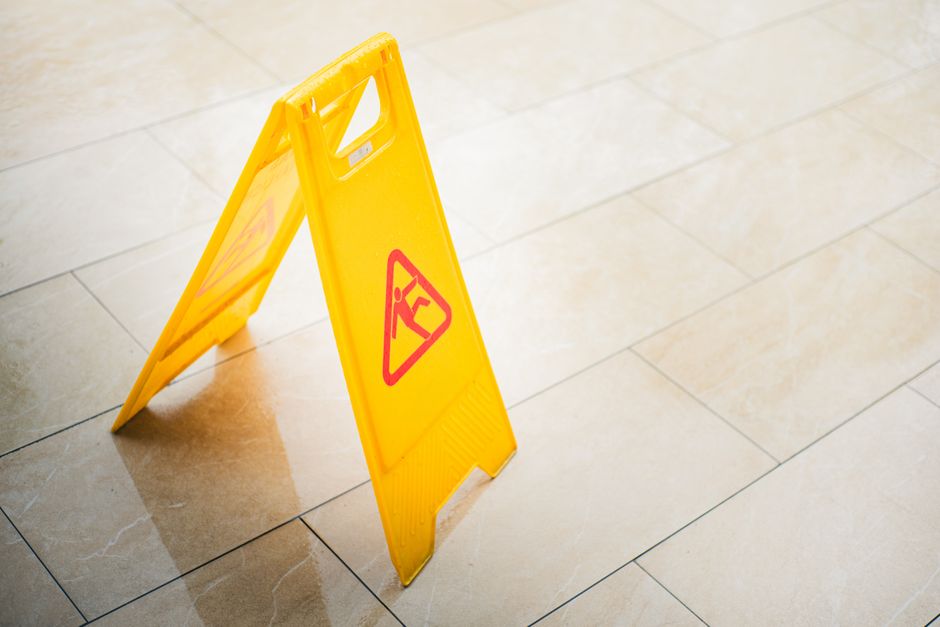
Fulham same day cleaning for emergency spills: fast help when a mess cannot wait
Spills happen at the worst possible time. One minute the room is normal, the next you are staring at red wine on a pale carpet, a burst sauce tin on a kitchen floor, or a mystery leak creeping under a sofa. If you are looking for Fulham same day cleaning for emergency spills, you probably need calm, practical help rather than a generic promise. Fair enough. In a situation like this, speed matters, but so does doing the right thing in the right order.
This guide explains what same day spill cleaning actually involves, how the process works, what you can do before help arrives, and when it makes sense to bring in a professional. It also covers common mistakes, useful equipment, safety points, and a realistic way to judge whether the damage is likely to be minor or quickly escalating. Let's keep it simple and useful.
Why Fulham same day cleaning for emergency spills Matters
An emergency spill is not just a cleaning issue. It can be a stain issue, a smell issue, a slip risk, and sometimes a property damage issue all at once. The longer a liquid sits, the more likely it is to spread into fibres, grout lines, timber joins, underlay, or upholstery padding. In practical terms, a five-minute response can be very different from a five-hour wait.
In Fulham, that urgency often comes with busy schedules, shared homes, period properties, and flats where one spill can affect more than one room. A kitchen splash may travel across tiles and into skirting; a drink spill in a rental can become a deposit problem if it is not handled properly. That is why same day cleaning is often less about "making it look nice" and more about stopping the situation from getting worse.
There is also the emotional side of it. If you have just dropped paint, coffee, curry, bleach, or pet-related mess on something valuable, you do not need a lecture. You need a plan. A good same day cleaner brings that plan, plus the equipment and judgement to avoid making the issue bigger. Sometimes the biggest win is simply preventing panic from turning into a ruined surface. Straightforward, really.
Expert summary: Same day spill cleaning is most valuable when the spill is fresh, the material is absorbent, or the affected area is high-traffic. The faster the response, the better the chance of reducing staining, odour, and secondary damage.
If you want to understand the wider standards behind professional cleaning, it can also help to look at the company's health and safety policy and insurance and safety information. Those pages are useful when you are choosing someone to enter a home or business quickly after an incident.
How Fulham same day cleaning for emergency spills Works
Same day spill cleaning is usually a fast-response service arranged on the day the problem occurs, or as soon as possible after it happens. The exact process depends on the spill type, the surface, and how far the liquid has spread, but the broad approach is similar.
First comes a quick assessment. A cleaner will want to know what was spilled, where it landed, how long ago it happened, and whether the material is hard, soft, porous, or delicate. That detail matters more than people expect. Water on laminate is not the same as wine on wool, and neither is the same as oil on grout. Truth be told, the wrong product can make a stain set faster.
Next comes containment. The aim is to stop the spill spreading, protect surrounding surfaces, and remove any loose residue safely. That may involve blotting, scraping, absorbent cloths, controlled damp cleaning, spot treatment, or targeted extraction. If the issue is on carpet or fabric, a methodical approach is essential. If it is on a hard floor, the focus is usually on residue removal and drying the area properly.
Then comes restoration cleaning. This is where the area is treated according to its material. The job might be quick and light-touch, or it might need deeper work. For example, a small cooking spill on tile may be handled within a short visit, while a soaked rug or sofa cushion could require more time and possibly follow-up care. If the spill has affected soft furnishings, related services such as sofa cleaning, upholstery cleaning, or rug cleaning may be recommended depending on the material and the level of contamination.
Finally, there is drying and advice. A proper same day response should not end with a wet patch and a shrug. You should be told how long to keep the area clear, whether to avoid heat, whether anything needs re-treatment, and what to watch for over the next 24 to 48 hours. Sometimes the aftercare matters as much as the cleaning itself.
For homes, same day emergency spill support often sits alongside broader domestic cleaning or one-off cleaning needs. For businesses, it can be part of commercial cleaning or office cleaning where a quick response protects staff, customers, and the general appearance of the premises.
Key Benefits and Practical Advantages
The obvious benefit is speed. But that is only the start. Same day spill cleaning gives you a few practical advantages that are easy to overlook when you are in the middle of the mess.
- Less chance of permanent staining: Fresh spills are easier to lift before pigments, fats, or tannins bond with fibres or finishes.
- Lower odour risk: Food, drink, milk, pet-related liquids, and organic residue can start to smell quickly in warm rooms.
- Reduced slip hazards: Wet floors are a real safety issue, especially in hallways, kitchens, communal areas, and entrance spaces.
- Better protection for soft furnishings: Couches, mattresses, rugs, and curtains can absorb liquid deep into the filling, not just the surface.
- Less disruption: Same day work often means the room is usable again sooner, which matters if you have guests, staff, or children in the property.
- Improved chance of saving the item: A professional may be able to salvage a carpet or fabric that would otherwise be written off too early.
There is also a more subtle benefit: clarity. When a spill happens, people usually do three things at once-clean, worry, and guess. A proper same day service cuts through that noise. You know what is being done, what can be saved, and what probably cannot. That kind of honesty is worth a lot in an emergency.
For some homes, the spill is part of a much bigger clean-up chain. A leaking appliance might lead to a broader deep cleaning job. A kitchen accident after decorating might overlap with after builders cleaning. If you are dealing with a move, same day support may be combined with move out cleaning or move in cleaning so the property is ready on time. Life gets a bit messy, doesn't it.
Who This Is For and When It Makes Sense
This kind of service is not only for dramatic accidents. It is for anyone who needs a fast, sensible response before a spill becomes damage. That includes homeowners, tenants, landlords, letting agents, small offices, shop units, and short-let operators.
It usually makes sense when:
- the spill is fresh and has not been fully cleaned yet
- the affected material is porous, textured, or expensive to replace
- the area is a walkway or shared space
- there is a smell developing
- the property needs to be presentable the same day
- you do not have the right products or equipment to treat it safely
In Fulham, this can come up in very ordinary situations. A glass of red wine tips over in a rented flat just before guests arrive. A sauce container bursts in a takeaway kitchen. A houseproud owner notices a pet accident in a hallway runner. A landlord discovers a spill after a checkout inspection and wants it handled before the next viewing. None of that is unusual. It is just everyday life, slightly out of order.
Same day cleaning is also a smart call when the spill is on a surface you are not fully confident about. If you are not sure whether a cleaner, solvent, or water-based product is appropriate, stepping back is often the safest decision. Some materials look sturdy until they are not. I know, not very glamorous, but very true.
Step-by-Step Guidance
If you are facing a spill right now, follow this sequence. It is simple, but it helps.
- Stop the spread. Keep people away from the area and, if safe, stop the source of the spill.
- Blot, do not scrub. Use absorbent cloths or paper towels to lift liquid from the outside in. Scrubbing often pushes the stain deeper.
- Protect nearby items. Move cushions, rugs, or small furniture away if they are at risk.
- Identify the spill. Water, oil, paint, coffee, juice, cleaning chemicals, and bodily fluids each need different handling.
- Avoid random products. If you are unsure, do not start mixing cleaners. That is how people create bigger problems, and sometimes some truly unpleasant fumes.
- Ventilate gently. Open windows if appropriate, but avoid blasting heat directly onto a stain unless you know the material can take it.
- Call for same day help if needed. Especially where the spill has reached carpet, upholstery, rugs, mattresses, or large floor areas.
- Keep the area accessible. A cleaner can work much faster if the space is clear when they arrive.
One practical detail people forget: take a quick photo before you do too much. Not for drama. Just for reference. It helps you remember the original spread and can be useful if the issue involves a rental property, shared building, or insurance conversation later on.
For spill clean-up in communal settings, property managers often prefer a response that is careful and traceable. If you manage an entrance hall or shared landing, services like communal area cleaning can be relevant when the spill affects traffic routes or shared touchpoints.
Expert Tips for Better Results
In our experience, the best results come from small, disciplined choices rather than dramatic effort. Here are the things that usually make a real difference.
Act early, even if you cannot finish the job
If you cannot fully clean the spill, a sensible first response still helps. Lift the excess, keep the area safe, and avoid driving the material further in. A partial, careful response is better than an enthusiastic one that smears everything around.
Match the method to the material
Carpet, tile, sealed wood, laminate, stone, and fabric all behave differently. A hard floor may tolerate a damp wipe and neutral cleaner, while a wool carpet might need targeted treatment and controlled moisture. There is no single magic answer, despite what some spray bottles try to suggest.
Use less liquid than you think
Over-wetting is one of the most common causes of bigger headaches. It can spread the stain, leave residue, or extend drying time. On textiles, too much water can travel into the backing or padding. Not ideal.
Watch for hidden spread
A spill on the top surface may have travelled under furniture, along skirting, or into seams. If a smell lingers after surface cleaning, something deeper may still need attention. That is often where professional assessment helps.
Keep a small emergency kit
A home or workplace spill kit does not need to be fancy. It just needs to be ready. More on that below.
And one more thing: if the spill involved a cleaning chemical, paint, or anything caustic, be extra cautious. Some products react with others, and some surfaces react badly to even sensible-looking solutions. When in doubt, pause. A minute of caution saves a lot of trouble.
Common Mistakes to Avoid
Most spill damage gets worse because of one of a few very predictable mistakes. The good news is that they are avoidable.
- Scrubbing immediately: This often pushes the spill deeper and frays fibres.
- Using heat too soon: A hair dryer or radiator can set some stains and warp materials.
- Mixing products: This can damage the surface and create safety risks.
- Leaving residue behind: Sticky or oily residue attracts dirt and makes the stain reappear.
- Ignoring the underlayer: Carpets, sofas, and mattresses often hide moisture beneath the surface.
- Trying to "go at it" too hard: Determination is useful. Panic-cleaning, not so much.
Another mistake is assuming every spill is a DIY job. Some are. A splash of water on vinyl? Fine. But a soaked rug, a wine stain on pale upholstery, or any spill involving unknown liquid may need immediate professional treatment. You do not get bonus points for suffering through it alone.
Tools, Resources and Recommendations
You do not need a van full of equipment to deal with an emergency spill, but a few sensible tools can make a big difference while you wait for help or before you decide on next steps.
| Tool or item | Best use | Why it helps |
|---|---|---|
| Microfibre cloths | Blotting and gentle lifting | Absorb well without being too abrasive |
| White paper towels | Fresh liquid pickup | Useful for seeing how much residue is still coming up |
| Disposable gloves | Hygiene and protection | Helps when the spill is unpleasant or unknown |
| Small bucket of clean water | Rinsing hard surfaces | Useful for diluted residues, if appropriate |
| Neutral cleaning solution | General surface care | Safer than strong chemicals for many everyday spills |
| Absorbent powder or pads | Oily or high-volume spills | Can help draw up excess liquid before treatment |
| Wet vacuum | Carpet or floor extraction | Helpful for larger liquid incidents where drying matters |
If you are arranging support for a home, it can be sensible to pair emergency spill work with a broader service such as house cleaning or regular cleaning if the spill happened because the property has become generally harder to keep on top of. For business settings, a planned maintenance schedule can reduce the chances of a small incident turning into a visible problem.
For price clarity, it is worth checking a provider's pricing and quotes information before you book. In an urgent situation, you want a clear explanation of what is included, what might be extra, and whether the job is being treated as a standard visit or a more specialised clean. That prevents the awkward bit later. Nobody enjoys that bit.
If security matters during payment, especially on a rushed same day booking, the company's payment and security page is worth a look too. It is a small detail, but in emergencies small details count.
Law, Compliance, Standards, or Best Practice
For emergency spill cleaning, the main compliance concerns are usually practical rather than legal: safe handling, appropriate products, and avoiding damage to the property or the people in it. In a workplace, there is also the duty to manage slipping hazards quickly and keep access routes reasonably safe. In a rental or managed building, there may be tenancy or building-management expectations around prompt clean-up and reporting.
UK best practice generally means using suitable products, wearing the right protective equipment when needed, and avoiding unsafe mixtures or rough methods that could damage surfaces. For businesses, keeping entrances, corridors, and shared spaces dry and safe is especially important. If a spill has affected an area with regular foot traffic, that is not something to put off until tomorrow.
Good operators will also be properly insured, clear about their terms, and transparent about what happens if the spill has caused pre-existing or hidden damage. That is why pages like terms and conditions and insurance and safety matter. They do not remove the stress, but they do help set expectations honestly.
If you are dealing with an especially sensitive situation, such as a spill in a shared area, after-hours access, or a property with vulnerable residents or clients, careful communication is part of best practice too. Let the cleaner know about access, parking, alarms, or any surfaces that need extra care. A short heads-up can save a lot of confusion later.
Options, Methods, or Comparison Table
Not every spill needs the same response. Here is a straightforward comparison of the most common options.
| Approach | Best for | Limitations | Typical outcome |
|---|---|---|---|
| Quick DIY blotting | Fresh, minor spills on hard surfaces | Not suitable for delicate materials or deep stains | Can be enough if the spill is small and cleanable |
| Basic spot cleaning | Simple stains on washable surfaces | Risk of spreading stain or leaving residue | Good for light, contained incidents |
| Same day professional spill cleaning | Urgent or uncertain spills, carpets, upholstery, rugs | May cost more than a DIY attempt | Better chance of saving the surface and drying it properly |
| Full deep clean | Large spills, lingering odour, multiple affected areas | Takes longer and may disrupt the room | More thorough restoration and a cleaner finish |
For some situations, the decision is obvious. If the spill is small and on a wipeable floor, start with the basics. If it is on a soft furnishing, or if you are already wondering whether you need to replace the item, a professional response is usually the safer bet. That is especially true for valuable carpets or upholstery where one wrong move can make things much worse.
Case Study or Real-World Example
Here is a realistic example, the sort of thing that happens more often than people admit. A tenant in Fulham is hosting a small dinner and a glass of red wine spills across the edge of a light carpet and onto a fabric dining chair. They blot the carpet quickly, but the stain has already marked the fibres and the chair feels damp deeper down. By the time they finish panicking, the room smells faintly sweet and sour, which is never a good sign.
They call for same day cleaning. The cleaner arrives, checks the carpet type, isolates the stained area, and works carefully with the chair fabric rather than saturating it. The carpet edge is treated first, then the upholstery, and the room is left ventilated for drying. The result? The visible stain is dramatically reduced, the chair is saved, and the room is usable for the next day's plans.
That is the real point of fast-response cleaning. Not perfection in some magical sense, but a strong chance of keeping the problem manageable. If the same incident had been left until the next day, the stain would likely have had more time to bond, the smell could have settled, and the clean-up would have been harder. Simple as that.
If the same spill had happened in a rental between check-out and check-in, a service such as end of tenancy cleaning might also have been relevant, especially where the property needed to be handed over in a presentable condition quickly. In hospitality settings, the same urgency often applies to Airbnb cleaning, where even a small spill can affect the next guest experience.
Practical Checklist
Use this quick checklist if you are dealing with a spill right now.
- Identify the spill source, if safe
- Keep people away from the affected area
- Blot excess liquid gently
- Avoid scrubbing or mixing products
- Protect nearby furniture or soft items
- Take a quick photo if needed
- Ventilate the space gently
- Check whether the spill has reached underlay, padding, or seams
- Contact a same day cleaner if the material is delicate or the area is large
- Follow any drying or aftercare instructions closely
Helpful reminder: If the spill is on a carpet, rug, mattress, sofa, or upholstered chair, do not assume the surface is dry just because the top looks better. Hidden moisture is where the trouble often starts.
Conclusion
Emergency spills are stressful, but they do not have to become long-term damage. With the right first steps and a fast professional response, many incidents can be brought under control quickly and cleanly. The key is to act early, avoid risky improvised fixes, and treat the surface properly rather than just making it look tidy for five minutes.
For Fulham homes, rentals, offices, and shared spaces, same day cleaning is often the difference between a small interruption and a much bigger repair conversation. That is especially true for carpets, upholstery, rugs, mattresses, and busy hard floors where moisture, residue, and staining can linger in places you do not immediately see.
Get a free quote today and see how much you can save.
When the mess is urgent, a calm, competent response is worth a lot. And sometimes, honestly, it is the nicest thing you can do for yourself that day.
Frequently Asked Questions
What counts as an emergency spill?
An emergency spill is any accidental liquid or semi-liquid mess that needs immediate attention because it may stain, smell, spread, create a slip risk, or damage the surface underneath. That could be wine on carpet, oil on tiles, pet urine on upholstery, or even plain water if it has soaked into the wrong place.
How fast can same day spill cleaning happen in Fulham?
It depends on schedule, location, and the size of the job, but the point of same day service is that it is arranged urgently rather than booked for another day. In practice, the earlier you call, the better your chances of getting a prompt visit.
Can I clean a spill myself before the cleaner arrives?
Yes, but keep it simple. Blot the spill gently, keep the area safe, and avoid scrubbing or using random chemicals. If the material is delicate or the spill is unknown, it is often better to stop after the first containment step and wait for advice.
Is same day cleaning only for carpets?
No. It can be used for hard floors, rugs, sofas, upholstery, mattresses, and even some wall or skirting spills depending on the material. Carpets are common, but they are only one part of the picture.
Will a same day cleaner always remove the stain completely?
Not always. Some spills are easy to lift, while others leave permanent marks depending on the fabric, colour, age of the spill, and what was spilled. A good cleaner should explain the likely outcome honestly rather than promising miracles.
What should I avoid doing after a spill?
Avoid scrubbing hard, using heat too soon, mixing products, and soaking the area with too much water. Those are the classic mistakes that can spread the stain or damage the item further.
Do I need a special service for spills on upholstery?
Often, yes. Upholstery and soft furnishings behave differently from hard surfaces. A cleaner may use targeted methods or recommend a related service such as upholstery cleaning, sofa cleaning, or mattress cleaning depending on the item involved.
How do I know if the spill has gone deeper than the surface?
If the area still smells after surface cleaning, feels damp underneath, or the stain keeps reappearing as it dries, the spill may have reached deeper layers. That is a good moment to get professional help rather than guessing.
Is emergency spill cleaning suitable for landlords or tenants?
Yes. It is often useful for both. Tenants may need fast help to protect a deposit, while landlords and letting agents may need the property cleaned quickly between occupancies or inspections.
Can spill cleaning be combined with a bigger clean?
Absolutely. If the incident has affected a wider area, it may make sense to combine the work with deep cleaning, one-off cleaning, end of tenancy cleaning, or commercial cleaning depending on the property type.
What information should I give when booking?
Tell the cleaner what spilled, where it landed, roughly how long ago it happened, what the surface is made of, and whether there are any access issues. That helps them bring the right approach and saves time on arrival.
What if the spill happened in a shared building or office?
Then speed matters even more. Shared spaces need to remain safe and presentable, so cleaning may need to be arranged quickly and with clear communication about access, timing, and who is responsible for the area.
Should I ask about insurance before booking?
Yes, especially for urgent work where there is a chance of hidden damage or accidental harm to the surface. It is sensible to check a provider's insurance and safety details before confirming the job.
Is there a difference between spill cleaning and deep cleaning?
Yes. Spill cleaning is targeted at a specific incident and usually focuses on fast containment and restoration. Deep cleaning is broader and more thorough, often covering the whole room or property rather than one problem area.
Whatever the spill, the main thing is not to rush blindly. A careful first move and the right help can save a lot, and that tiny bit of calm makes all the difference.